
Walking into a casino triggers a wave of feelings that most players don’t even notice. The bright lights, sounds of slot machines, and energy in the room all work together to create strong emotions. These feelings don’t just add to the experience—they actually change how you make choices about which games to play and how much money to bet.
Emotions like excitement, fear, and frustration directly affect your gambling decisions, often causing you to take bigger risks or chase losses without thinking clearly. When you win, you might feel invincible and bet more than you planned. When you lose, disappointment can push you to keep playing in hopes of winning back what you lost. Understanding this connection between your feelings and your choices is the first step toward smarter gambling.
Your brain responds to casino environments in specific ways that impact your behavior. The thrill of a potential win releases chemicals that make you want to keep playing, while the stress of losing can cloud your judgment. Learning how these emotional responses work helps you recognize when feelings are driving your decisions instead of logic.
The Psychological Impact of Emotions on Casino Choices
Emotions shape your gambling decisions in powerful ways, from the initial choice of which game to play to how much money you’re willing to risk. Your emotional state directly affects your perception of risk, your confidence in outcomes, and your ability to make rational choices at the casino.
Emotional Triggers in Gambling Environments
Casinos design their spaces to activate specific emotional responses in you. Bright flashing lights, celebratory sounds from winning machines, and the energy of other players all work together to create psychological triggers.
These environmental factors increase your information load. Your brain processes multiple sensory inputs at once, which can overwhelm your rational thinking.
Common emotional triggers include:
- The sound of coins dropping or digital win notifications
- Colorful displays and animated graphics on gaming machines
- The cheers and reactions of nearby players
- Music tempo and volume levels
- The physical layout that creates either intimate or expansive feelings
The atmosphere pushes you toward excitement rather than careful analysis. When you’re surrounded by these triggers, your emotional brain takes over from your logical brain. This shift makes you more likely to take risks you wouldn’t normally consider.
How Mood Influences Risk-Taking
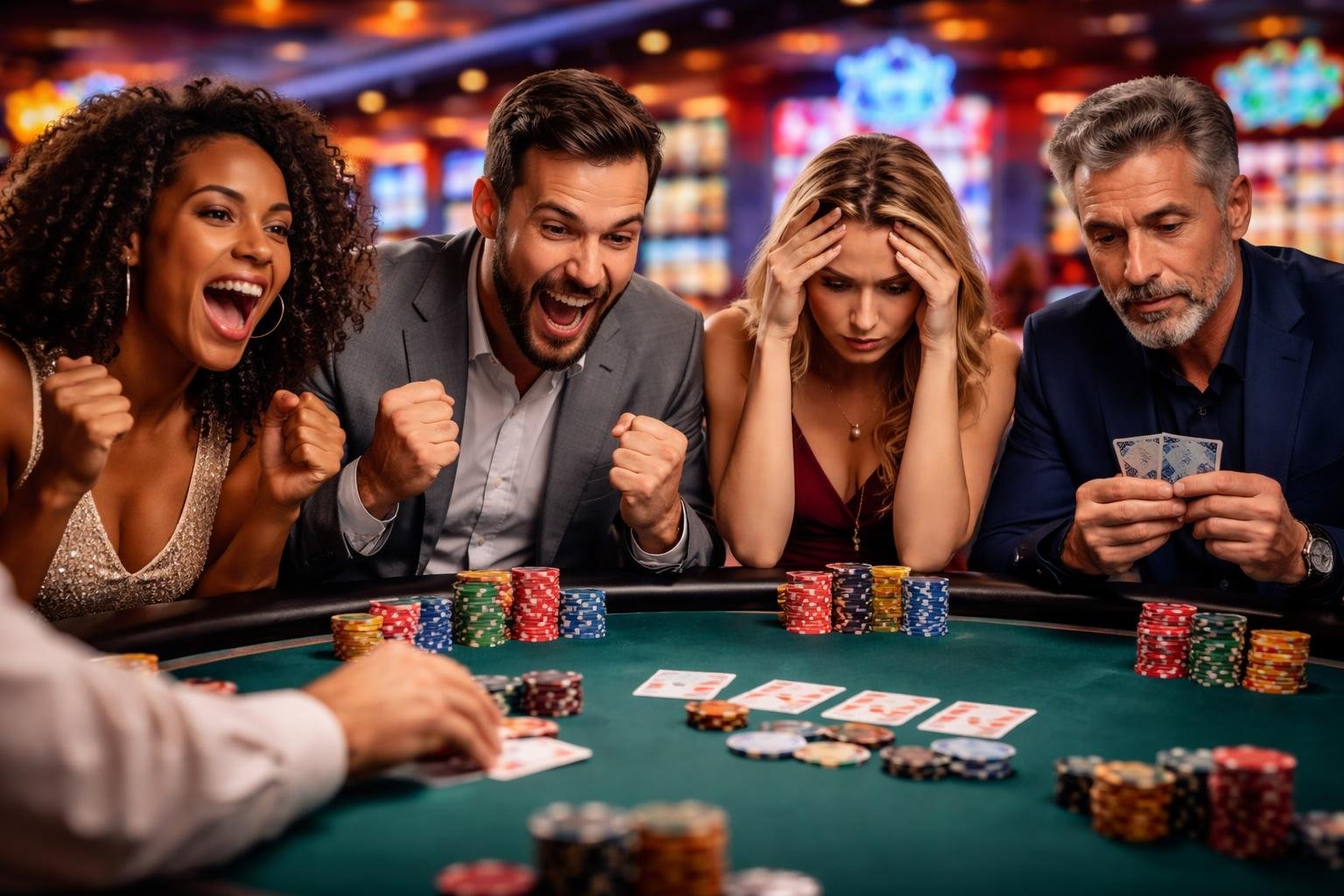
Your current mood when you enter a casino directly affects the risks you take. If you’re feeling happy or confident, you’re more likely to place larger bets and try unfamiliar games.
Negative moods like anxiety or frustration can also increase risk-taking. When you’re chasing losses or trying to improve a bad mood, you often make bolder choices than usual. This creates a cycle where emotions drive decisions that may not align with your actual risk tolerance.
Your mood affects these specific behaviors:
- Bet size selection
- Game difficulty preference
- Duration of gambling sessions
- Willingness to try new games
Research shows that players in positive emotional states tend to overestimate their chances of winning. Your brain’s reward centers become more active when you’re already feeling good, making potential wins seem more likely than they actually are.
Role of Excitement and Anticipation in Decision-Making
Excitement and anticipation create a powerful psychological state that clouds your judgment. The thrill of potentially winning generates adrenaline that can override careful decision-making processes.
This anticipation activates the same brain regions involved in actual rewards. Your brain treats the possibility of winning almost as rewarding as winning itself. The gap between placing a bet and seeing the outcome creates tension that many players find appealing, even addictive.
The excitement factor often leads you to continue playing longer than planned. Each near-miss feels like you’re getting closer to a win, even though each round has independent odds. Your emotional high from anticipation can make you less aware of mounting losses or time passing.
Emotion-Driven Strategies and Player Behavior
Players often develop specific betting patterns based on their emotional state rather than logical analysis. These emotion-based approaches shape everything from which games they choose to how they respond after winning or losing.
Impacts of Impulse and Self-Control
Your ability to control impulses directly affects your betting decisions. When you feel excited or frustrated, you’re more likely to place larger bets or continue playing beyond your planned limits.
Impulsive decisions typically emerge when emotions override your rational thinking. You might chase losses after a bad hand or increase your bet size dramatically after a win. These reactions happen because emotions activate different parts of your brain than logical decision-making does.
Common impulsive behaviors include:
- Betting more money than planned
- Playing longer than intended
- Switching to higher-stakes games suddenly
- Making decisions without considering odds
Self-control helps you stick to predetermined limits. Players with stronger self-regulation take breaks when needed and follow their budget regardless of emotional highs or lows. However, maintaining this control becomes harder when you’re already experiencing strong emotions.
Emotional Biases in Game Selection
Your mood influences which casino games you choose to play. When you feel confident, you tend to select games with higher risk and potential rewards. When anxious or uncertain, you often prefer games that feel safer or more familiar.
This emotional bias affects your gaming strategy in specific ways. You might avoid learning new games when stressed because they require mental effort. Conversely, feelings of euphoria can push you toward complex games where you overestimate your skill level.
Your emotional state also determines how you perceive game difficulty. Games that seem too challenging when you’re frustrated might appear manageable when you’re feeling positive. This perception shift has little to do with actual odds or your real skill level.
The Effect of Wins and Losses on Subsequent Decisions
Winning changes how you approach your next bet. After a win, you often feel more confident and may take bigger risks. This confidence can lead you to bet more money or try games you’d normally avoid.
Losses create different behavioral patterns. You might try to recover lost money quickly through larger bets or switch games frequently searching for better luck. Some players become more cautious after losses and reduce their bet sizes or stop playing entirely.
These reactions form recognizable patterns. A series of wins can create an illusion that you’ve found a winning strategy, even in games of pure chance. Multiple losses trigger frustration that clouds your judgment about when to stop playing.